Removing Limescale from Shower Walls, Faucets, Tiles, and Toilets
Removing limescale is a recurring cleaning task in almost every bathroom. Hard water leaves minerals on shower glass, faucets, tiles, sinks, toilets, and chrome. At first, you see a light haze, then white spots, and eventually stubborn limescale that makes the surface dull and rough. In this category, you’ll find products and cleaning aids to tackle limescale more effectively.
Limescale mainly forms where water dries. Think of the shower wall, faucet, showerhead, sink, tiles, grout, and the waterline in the toilet. For a complete bathroom cleaning routine, this category pairs well with bathroom cleaning products against limescale and soap scum.
Why Does Limescale Keep Coming Back?
Limescale forms due to minerals in water, especially where water droplets remain and dry. The harder the water, the faster you see limescale. That’s why limescale often returns on shower glass, faucets, tiles, and around the sink. Even with thorough cleaning, new limescale can quickly form when surfaces stay wet.
The problem with limescale is that it attracts dirt. A smooth shower wall or faucet stays cleaner more easily than a surface with rough limescale buildup. Soap scum, skin oils, and dirt stick faster to limescale, making the bathroom look duller and dirtier than it really is.
Regular descaling prevents limescale from accumulating. If you wait too long, the buildup hardens and you’ll need more product, longer soaking time, and more scrubbing. A quick routine after showering can save a lot of work: wipe away water, dry the faucet, and don’t let wet spots dry on their own.
Removing Limescale from a Glass Shower Wall
A glass shower wall quickly develops white spots from dried water. When limescale mixes with soap scum, it creates a dull haze that’s hard to remove with just a cloth. Use a product suitable for bathroom limescale and clean with a soft cloth or sponge.
Let a limescale remover work briefly according to the instructions, then wipe thoroughly. Rinse if needed and dry the glass. The last step is especially important: if water dries again on the glass, limescale formation starts immediately. For glass and mirrors, this category naturally complements streak-free window and glass cleaning.
Do not use any random abrasive scrubber on shower glass. It can scratch or damage coatings. Work gently in several steps rather than aggressively once.
Removing Limescale from Faucets and Chrome
Faucets and chrome lose their shine quickly due to limescale. Around the base, spout, and handle, you often see white edges. These spots stay wet after washing hands, brushing teeth, or showering, causing limescale to build up fast.
Be careful with faucets. Chrome and finishes can be sensitive to scratches or harsh products. Use a suitable product, don’t leave it on longer than necessary, and wipe thoroughly. Then dry the faucet with a clean cloth to prevent new water spots.
Cleaning cloths for limescale and bathroom surfaces are handy for drying and restoring shine. A dry, clean cloth helps remove residues and prevents water from drying again.
Limescale in Toilets and Sinks
Limescale in toilets often forms around the waterline, under the rim, or where water pools. Dirt can stick there, causing yellow, brown, or rough deposits. This buildup is not always just dirt; it’s often a mix of limescale, urine scale, and toilet grime.
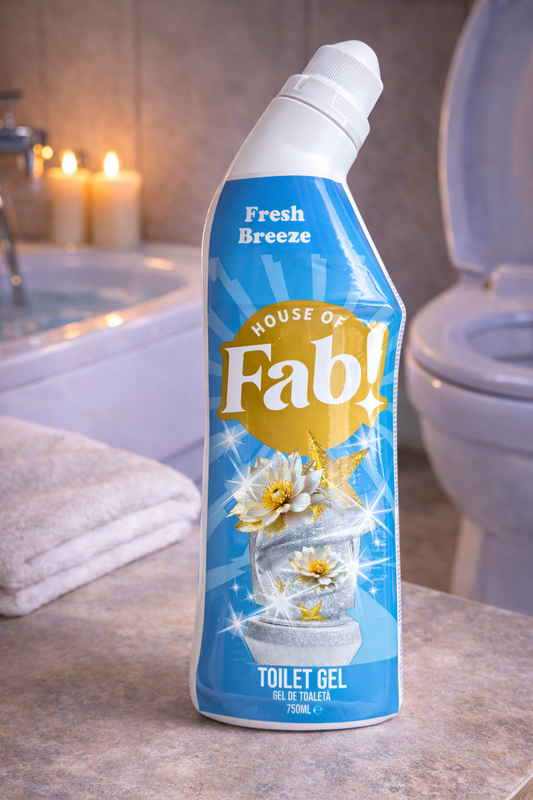
For toilet bowls, use products suitable for toilets and limescale. Let the product soak well and brush along the waterline and under the rim. For stubborn buildup, repeating the treatment is often more effective than scrubbing hard. This page pairs well with toilet cleaning products against limescale and deposits.
In sinks, limescale often forms around the faucet, drain, and edges where water remains. Regularly dry these spots after use to prevent limescale buildup and dullness.
Limescale on Tiles and Grout
Shower tiles are exposed to water, shampoo, shower gel, soap scum, and limescale. This can create a rough layer that doesn’t disappear with regular all-purpose cleaners. Dark tiles especially show limescale as a white haze or drip marks more quickly.
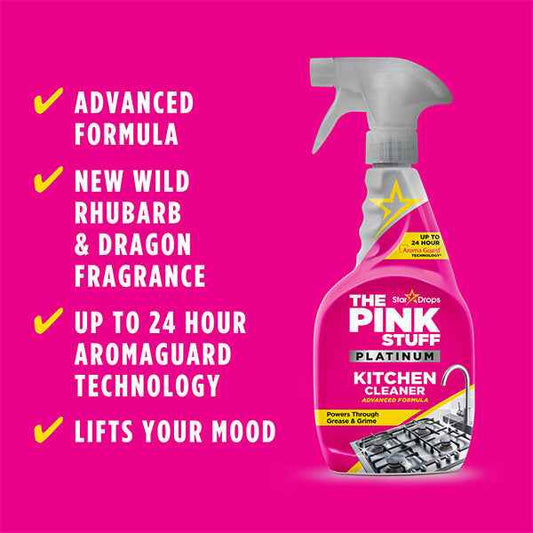
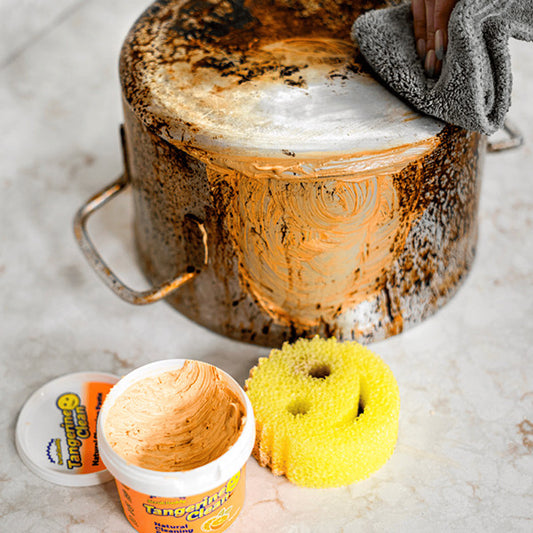
Use a product suitable for the tile material. Not every tile or natural stone tolerates the same products. When in doubt, always test on an inconspicuous spot. For tough bathroom cleaning jobs, The Pink Stuff products against stains and buildup can be interesting, provided they’re suitable for the surface you’re cleaning.
Grout needs extra care. Limescale and soap scum can accumulate in the grout’s texture. Use an appropriate sponge or brush, but avoid aggressive scrubbing if the grout is already damaged.
Preventing Limescale
You can’t completely prevent limescale as long as hard water dries on surfaces, but you can greatly reduce it. Dry shower glass and tiles after showering. Regularly dry faucets with a cloth. Don’t leave puddles around sinks, faucets, or shower trays. The less water dries, the less limescale remains.
Don’t wait to clean limescale until it’s thick and hard. A light haze is much easier to remove than old limescale. By doing short weekly maintenance, your bathroom, toilet, and shower glass stay shiny and fresh longer.
Frequently Asked Questions About Removing Limescale
Why does limescale keep coming back?
Limescale returns because water leaves minerals behind when it dries. This happens daily in bathrooms, showers, toilets, and around faucets. Even after thorough cleaning, new limescale forms as soon as water droplets remain. Drying is just as important as cleaning. Dry shower glass, wipe faucets, and prevent standing water around sinks or shower trays. This slows down new limescale buildup.
How do you remove limescale from a glass shower wall?
Remove limescale from glass shower walls with a suitable limescale remover and a soft cloth or sponge. Let the product work briefly according to the instructions, then wipe thoroughly. Rinse if needed and dry the glass to prevent new water spots. Do not use abrasive scrubbers on glass, especially if the shower wall has a coating. For stubborn limescale, it’s better to repeat the treatment than to scrub aggressively.
How do you get limescale off faucets without scratching?
Remove limescale from faucets by working carefully with a suitable product and a soft cloth. Do not use rough sponges or abrasive materials on chrome or colored faucets. Don’t leave the product on longer than necessary and rinse or wipe thoroughly. Then dry the faucet with a clean cloth. This removes limescale and prevents new water spots.
What helps against limescale in the toilet?
Limescale in the toilet often forms around the waterline or under the rim. Use a toilet cleaner or limescale product suitable for toilet bowls, let it soak, and then brush well along the buildup. For old limescale or urine scale, one treatment may not be enough. It’s better to repeat gently than to scrub hard. Regular maintenance prevents limescale from setting again.
How do you prevent limescale on tiles and shower glass?
Prevent limescale mainly by not letting water dry on surfaces. Dry shower glass and tiles after showering with a squeegee and wipe faucets or edges with a cloth. Ventilate the bathroom so moisture evaporates faster. Clean light limescale haze regularly before it becomes stubborn. Small habits after showering save a lot of scrubbing later.
Which cloth do you use after descaling?
After descaling, use a clean, dry cloth that doesn’t leave lint. For faucets and glass, a soft microfiber cloth is often handy because it removes residues and restores shine. Don’t use a cloth that’s greasy or dirty, as that causes streaks or haze. Wash cloths regularly and keep bathroom cloths separate from kitchen cloths.
What is the difference between limescale and soap scum?
Limescale forms from minerals in water and often feels rough or hard. Soap scum comes from shampoo, shower gel, soap, and skin oils and usually leaves a smooth or greasy haze. In the shower, they often occur together, making glass and tiles look dull. That’s why you sometimes need a product that tackles limescale and a routine that regularly removes soap scum.
Why ViralCleaning?
At ViralCleaning, you’ll find cleaning products and tools for bathrooms, toilets, shower walls, faucets, tiles, and sinks. For removing limescale, choose products that suit the surface, the severity of the limescale, and your cleaning routine.